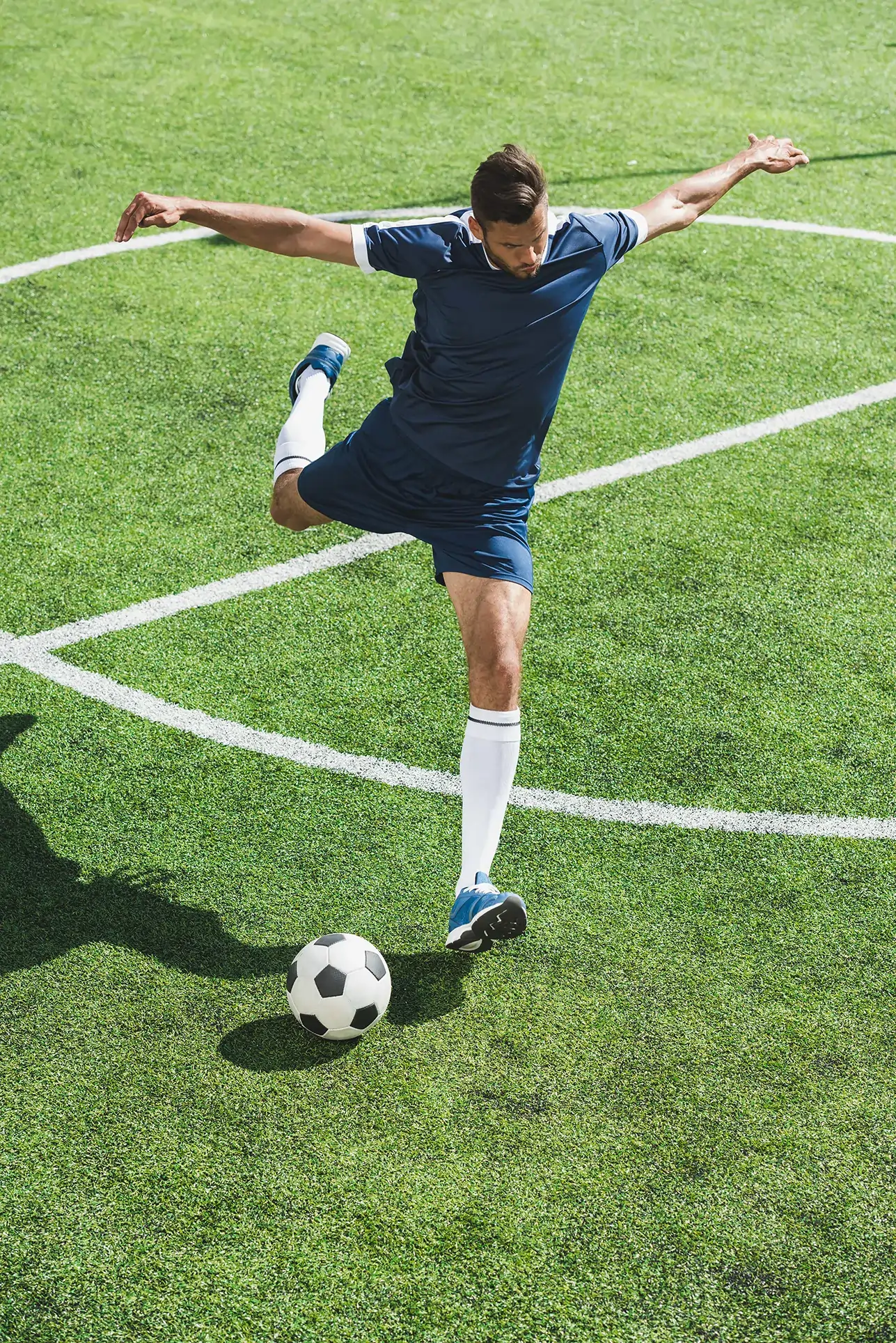
In the world of sports and outdoor spaces, the quality of the surface makes all the difference. Whether it is a playing field, a recreational area or a private green space, the ground must ensure performance, safety and long-term continuity.
In recent years, synthetic grass has evolved significantly, becoming an increasingly popular solution for sports, urban and residential applications. Thanks to technological innovation and new-generation materials, artificial turf systems are now designed to offer an experience that is increasingly close to natural grass, with clear advantages in terms of maintenance, durability and sustainability.
Radici Sport develops artificial turf systems designed for different sports disciplines and outdoor applications, combining Italian textile know-how with advanced technical solutions to ensure high performance and long-lasting reliability.
What Is Synthetic Grass?
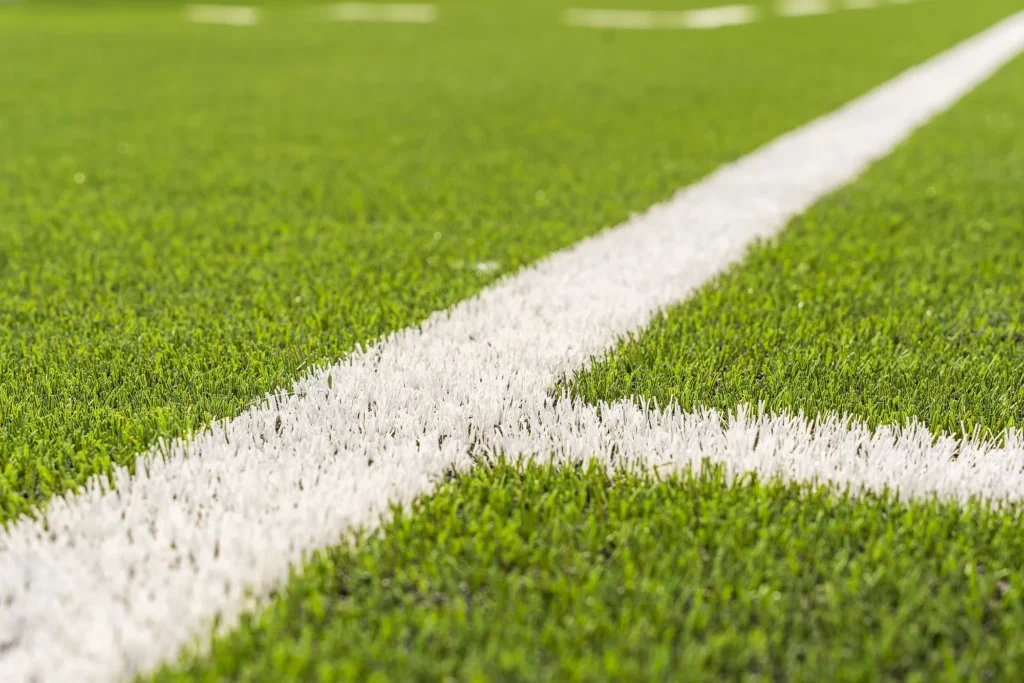
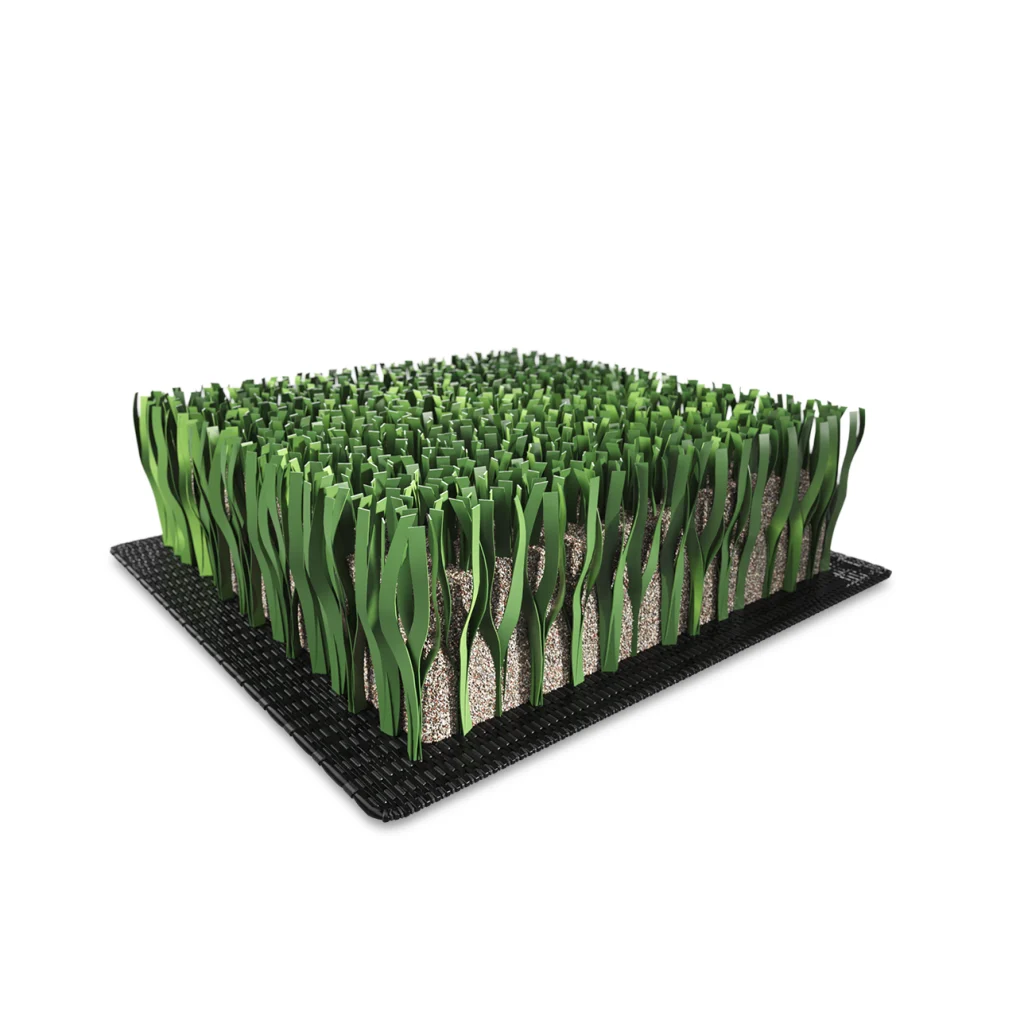
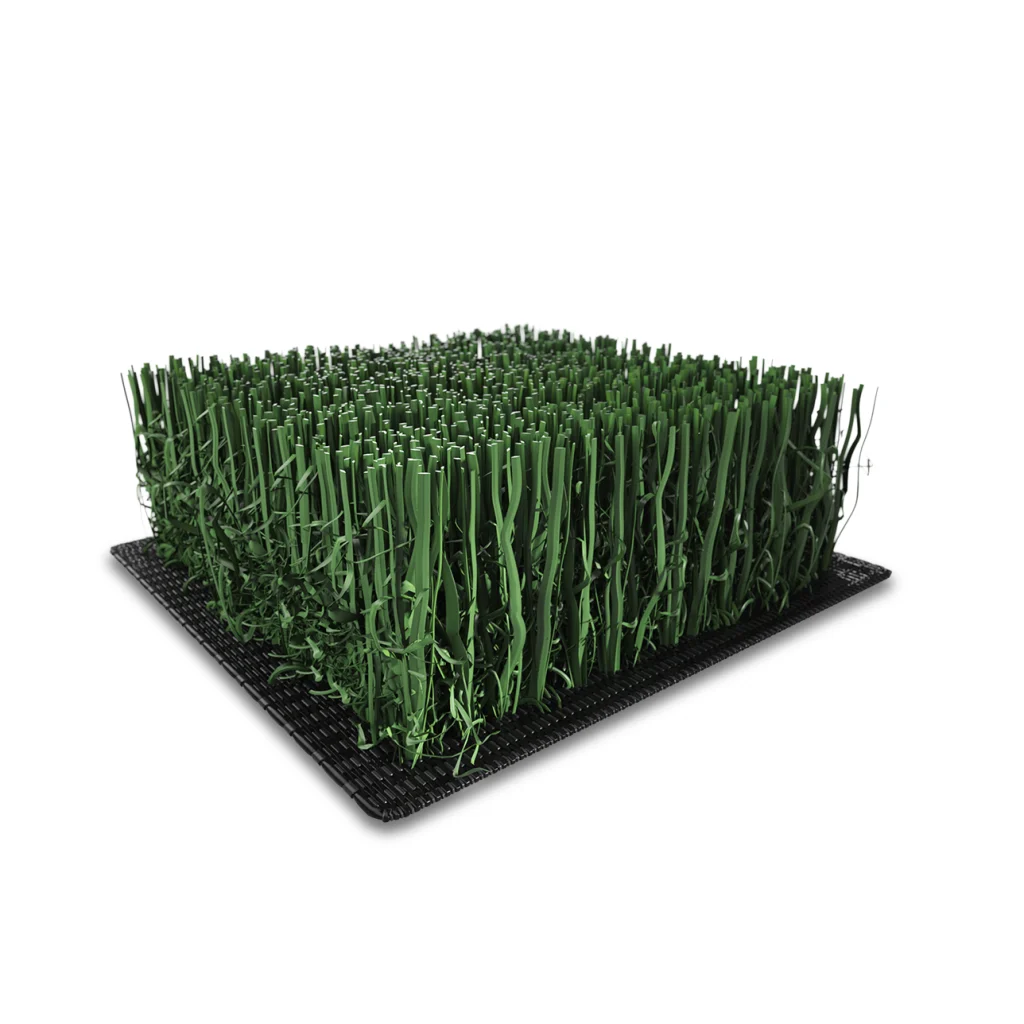
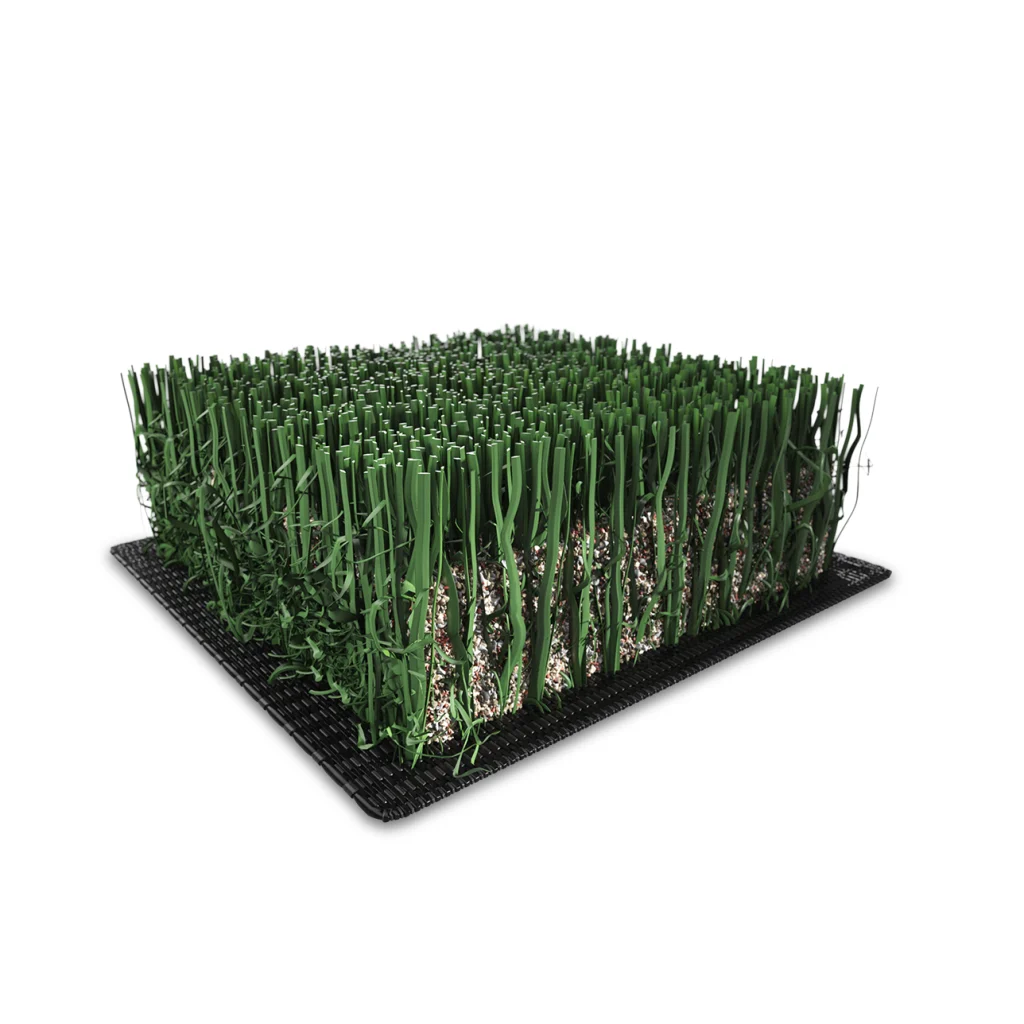
Synthetic grass is an artificial surface designed to reproduce the appearance and performance of natural grass. It is made of synthetic fibres fixed onto a structured backing, which provides stability, drainage and long-lasting resistance.
Materials Used
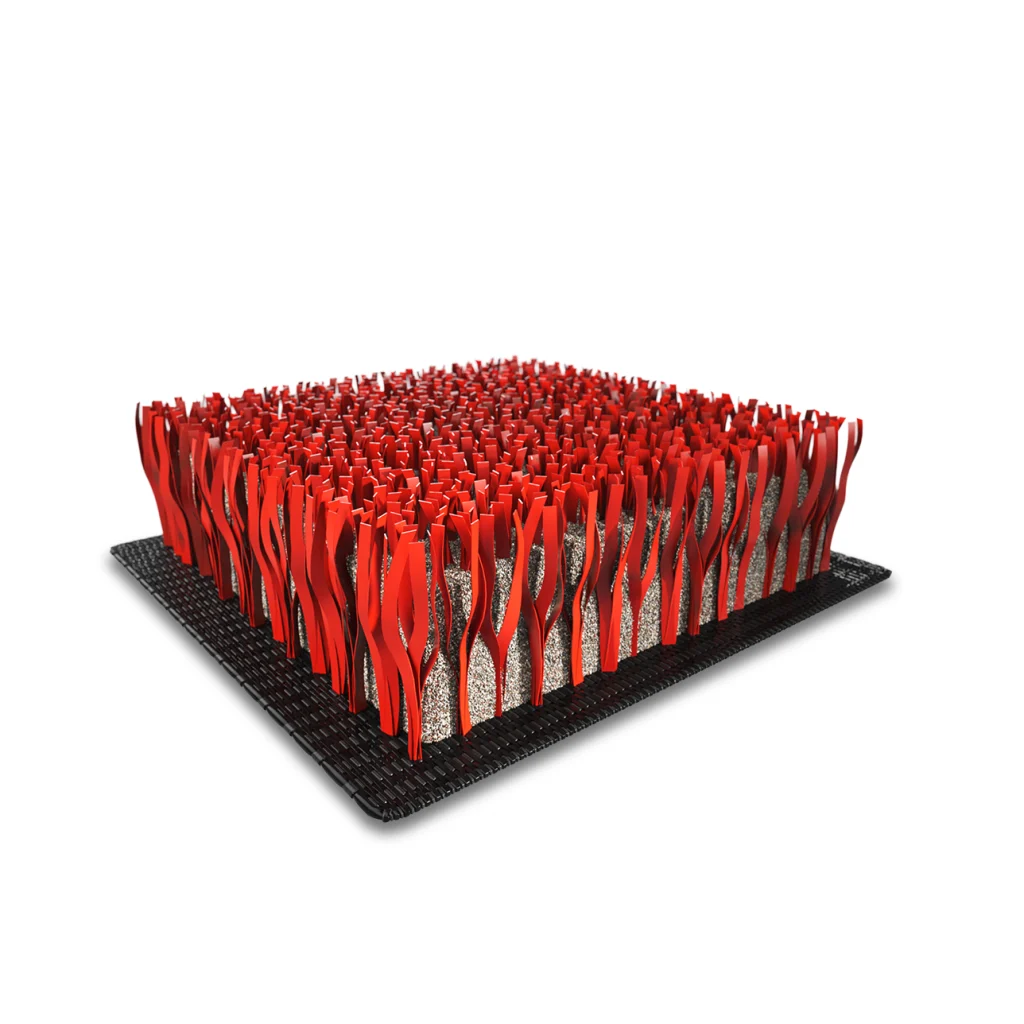
Synthetic grass fibres are generally made from polyethylene or polypropylene, materials that ensure elasticity, wear resistance and UV stability. The quality of the yarn and the production technology are key factors in determining the performance of the turf.
In more advanced systems, such as those developed by Radici Sport, the fibres are designed with specific geometries and structures to improve resilience, recovery and long-term durability.
How It Is Produced
Synthetic grass is produced through advanced textile processes. The fibres are inserted into the primary backing using tufting techniques and then stabilised with a secondary backing, which ensures yarn anchorage and structural resistance.
This process makes it possible to create uniform, durable surfaces designed to withstand the stresses typically associated with sports activities and intensive use.
Differences Compared to Natural Grass
Unlike natural grass, synthetic grass does not require constant irrigation, mowing or chemical treatments. It also maintains more stable playing conditions throughout the year, regardless of weather conditions.
This is why it is increasingly chosen for sports fields, recreational facilities and green areas where continuous use is required.
Benefits of Synthetic Grass
Synthetic grass offers a wide range of benefits, which have contributed to its growing use in many different contexts:
Reduced Maintenance
One of the main benefits of synthetic grass is the reduced need for maintenance. There is no need to mow the lawn, fertilise it or carry out phytosanitary treatments, resulting in significant savings in terms of both time and management costs.
Water Saving
Since synthetic grass does not require constant irrigation, it helps significantly reduce water consumption. This makes it a particularly interesting solution for urban environments or areas with limited water resources.
Long-Lasting Durability
Modern artificial turf systems are designed to withstand intensive use and a wide range of weather conditions. The quality of the yarns and the structure of the turf ensure consistent performance over time.
Year-Round Use
A synthetic grass field or green space can be used throughout the year, even after heavy rainfall or during periods of high footfall. This continuity of use is a major advantage for sports facilities and public spaces.
Where Synthetic Grass Is Used
Thanks to its versatility, artificial grass is now used in a wide range of settings:
Private Gardens
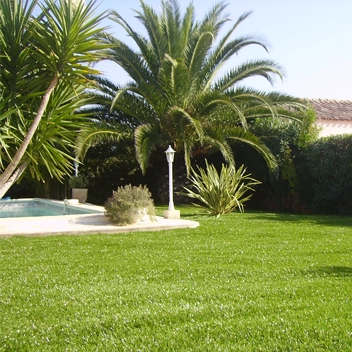
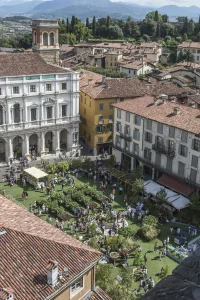
Synthetic grass is increasingly used in residential gardens, making it possible to create well-maintained green spaces all year round without the need for constant maintenance.
Play Areas
In parks, schools and recreational areas, synthetic turf provides safe and resistant surfaces, ideal for withstanding frequent use.
Sports Facilities
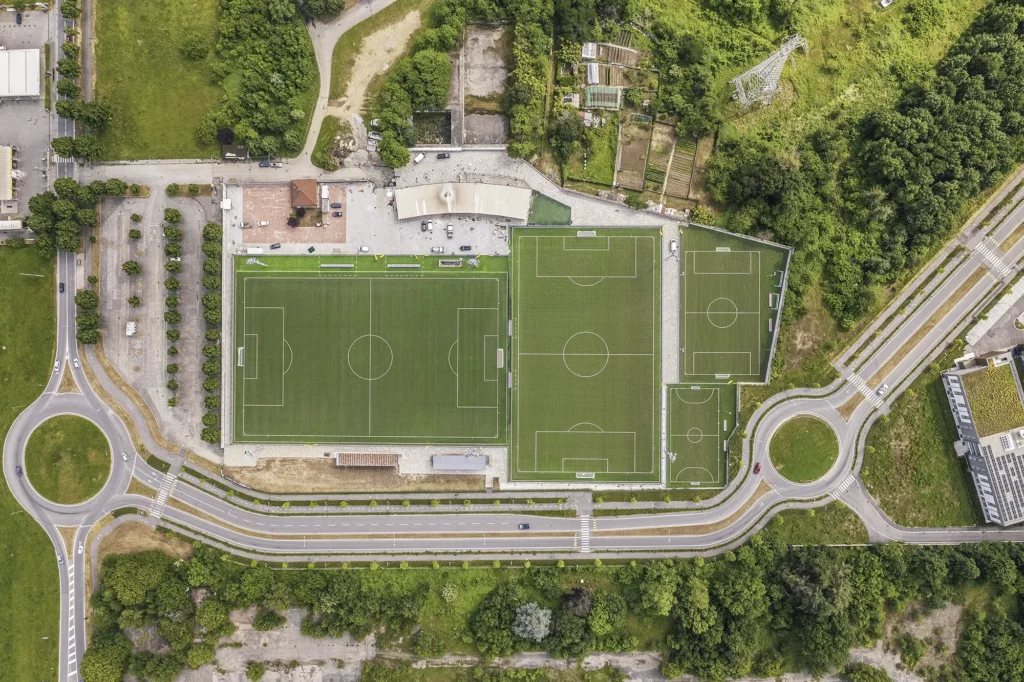
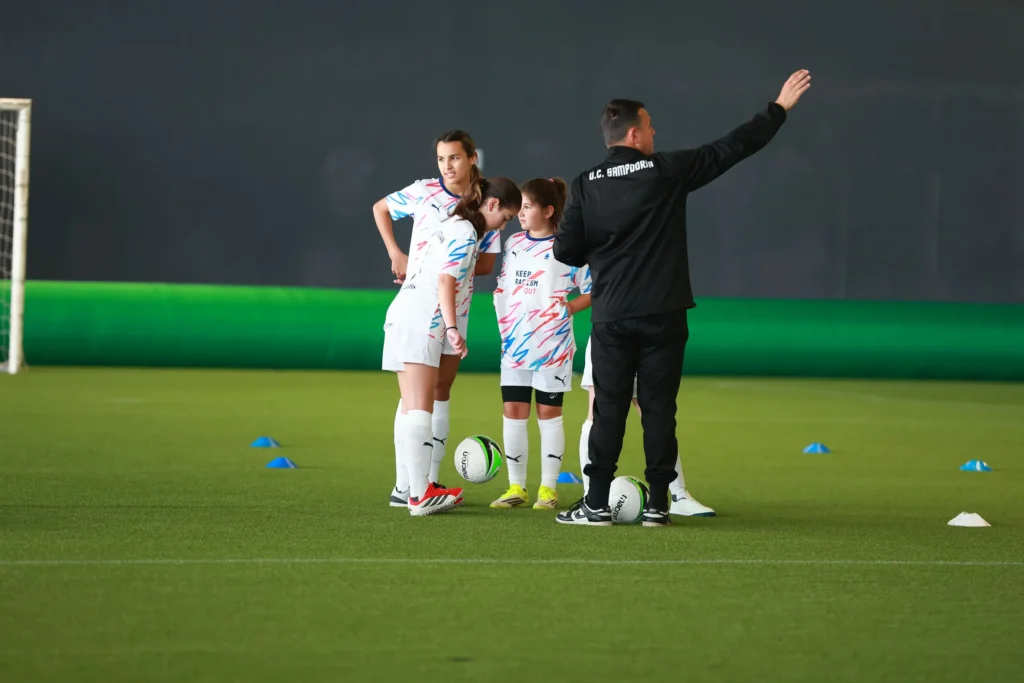
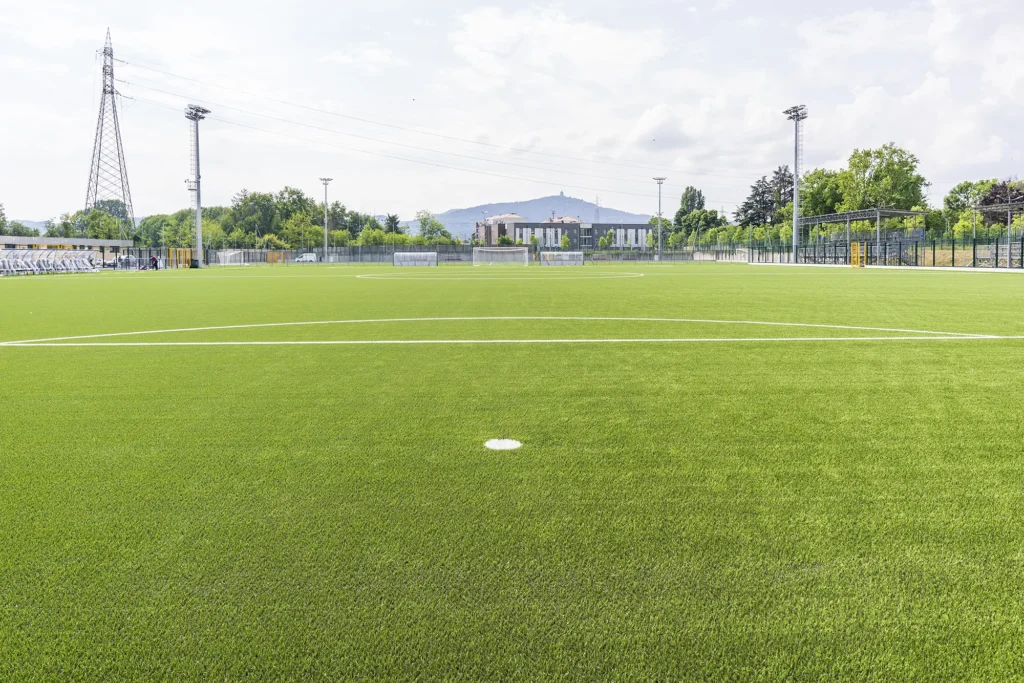
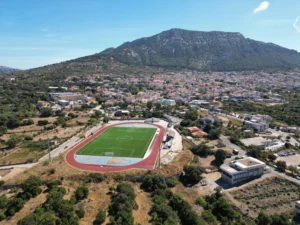
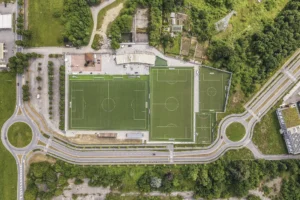
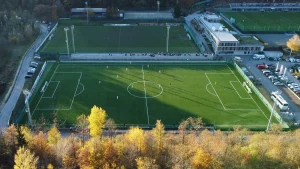
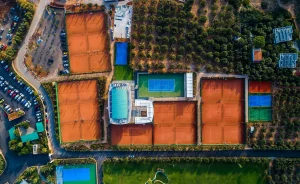
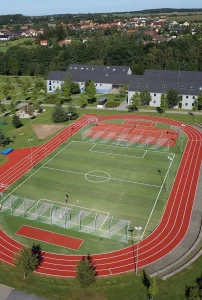
The sports sector is one of the main fields of application. Football, tennis, padel, hockey and multisport fields use artificial turf systems designed to ensure consistent performance and athlete safety.
Radici Sport develops specific solutions for different disciplines, engineered to meet the technical requirements and standards set by sports federations.
How to Choose Synthetic Grass
Choosing the most suitable turf depends on several factors related to its intended use.
Pile Height
The height of the fibre affects both the appearance and the behaviour of the turf. Longer fibres are often used for sports fields, while lower pile heights are more common in decorative spaces.
Density
Turf density refers to the number of fibres per square metre. Higher density helps improve the stability, resistance and overall quality of the surface.
Foot Traffic Resistance
In sports settings or high-traffic areas, it is essential to choose systems designed to withstand intensive use while maintaining consistent performance over time.
Maintenance of Synthetic Grass
Although synthetic grass requires less maintenance than natural grass, it still needs a few care operations to preserve its performance and aesthetic quality over time. Periodically removing leaves, dust and small debris helps maintain the appearance and functionality of the turf, while brushing keeps the fibres upright and ensures that any infill materials are evenly distributed. With simple but regular maintenance, modern artificial turf systems can provide high-performing, long-lasting surfaces for many years.